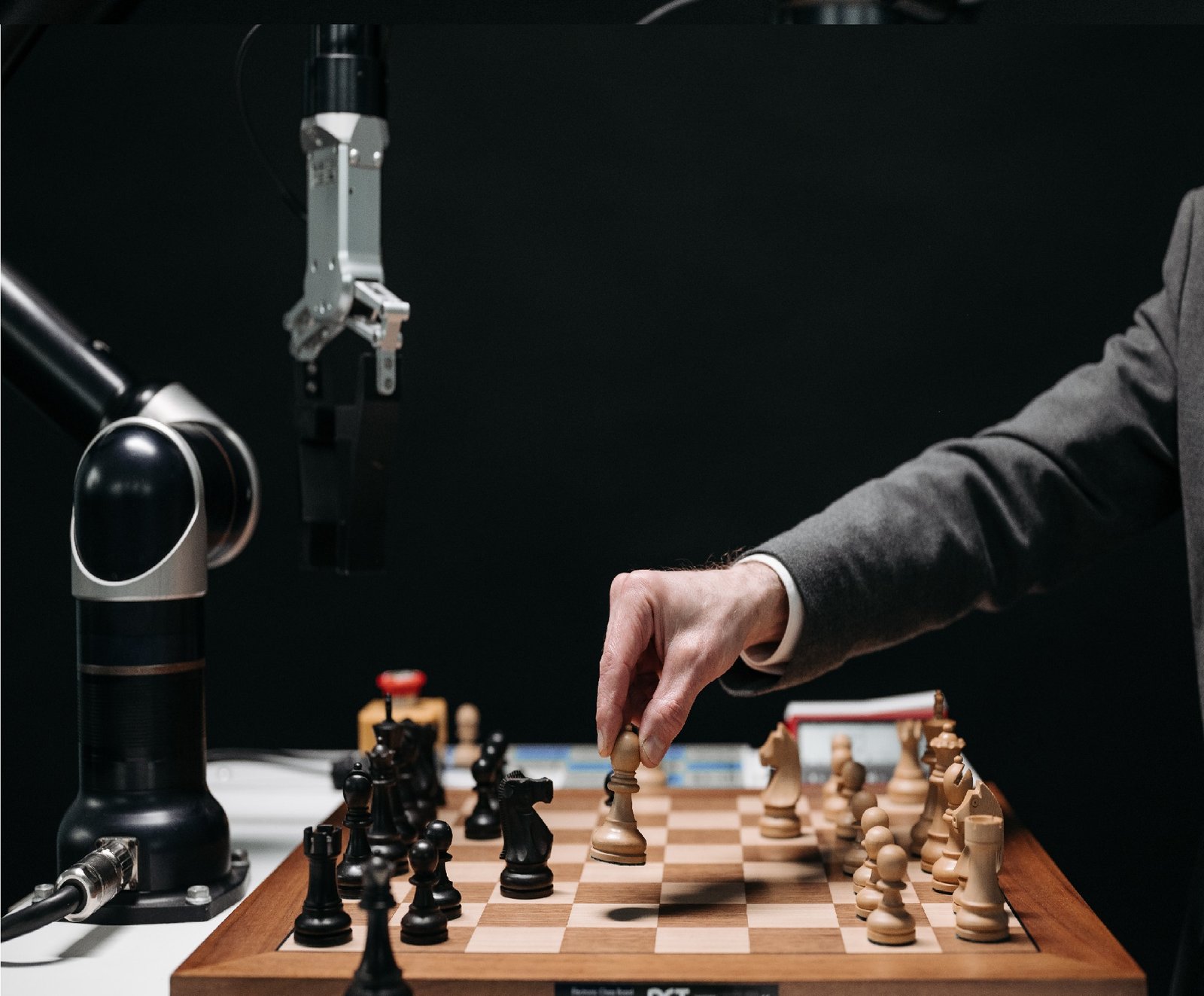
The Potential Dangers of Artificial Intelligence Voice Cloning and Synthesis
Category : thunderact | Sub Category : thunderact Posted on 2023-10-30 21:24:53
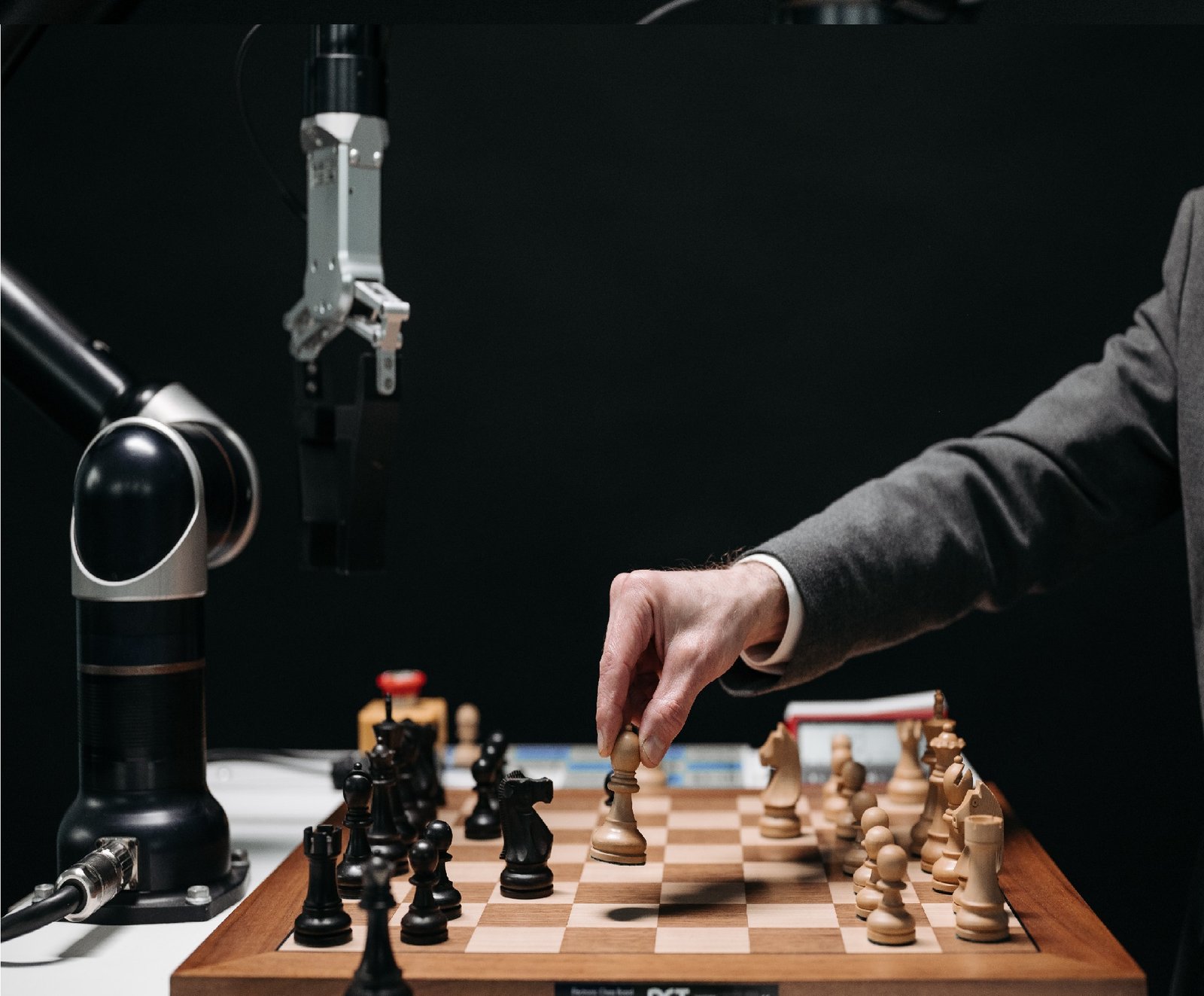
Introduction: As advancements in artificial intelligence (AI) continue to push the boundaries of what is possible, one area that has gained significant attention is voice cloning and synthesis. With the ability to mimic and manipulate human voices, AI voice technology has opened the door to a wide range of exciting applications. However, as with any powerful tool, there are potential dangers that need to be explored and considered. In this blog post, we will delve into the risks associated with AI voice cloning and synthesis and the ethical concerns that arise from this emerging technology. 1. Misuse of Voice Cloning Technology: One of the primary concerns surrounding AI voice cloning is its potential for misuse. With the ability to convincingly replicate someone's voice, malicious individuals could use this technology for fraudulent activities such as impersonation, identity theft, and even spreading misinformation. Imagine a scenario where a fraudster uses voice cloning to imitate a trusted figure, creating confusion and potentially causing harm both personally and professionally. 2. Deepfake Audio and its Impact: AI voice synthesis raises the threat level of deepfake technology to a whole new level. Deepfakes are manipulated media forms that use AI algorithms to create realistic but misleading content. With AI voice synthesis, it becomes easier to create audio deepfakes that can spread false narratives, damage reputations, and fuel conspiracy theories. The potential impact on democratic processes, public trust, and social cohesion cannot be underestimated. 3. Ethical Concerns and Privacy Issues: When it comes to voice cloning and synthesis, ethical questions emerge around consent and privacy. Recording and manipulating someone's voice without their permission raises serious privacy concerns. Should individuals have control over how their voices are used? What are the implications for someone who has their voice cloned or synthesized against their will? These are complex moral dilemmas that need to be addressed to prevent potential abuses of this technology. 4. Psychological and Emotional Manipulation: Another danger lies in the emotional and psychological impact of AI-generated voices. Voice is a deeply personal aspect of our identity, and hearing someone's voice can evoke strong emotions and influence our perception of them. By manipulating voices through AI, there is potential for psychological manipulation, emotional abuse, or even gaslighting. Protecting people from such manipulations is crucial to safeguarding their mental well-being. 5. Disrupting the Accessibility and Trustworthiness of Audio Content: While AI voice synthesis has the potential to enhance accessibility for individuals with speech disabilities, it also challenges the trustworthiness of audio content. As the technology progresses, distinguishing between authentic and synthesized voices may become increasingly difficult. This could lead to a decline in the overall credibility of audio content, making it difficult for individuals to discern real voices from AI-generated voices, consequently eroding trust in information sources. Conclusion: The rapid development of AI voice cloning and synthesis technology presents exciting opportunities, but it is essential to recognize and address the potential dangers and ethical concerns associated with its use. Striking the right balance between technological advancement and responsible adoption is crucial to ensure that AI voice technology is developed and utilized in a manner that respects privacy, protects against fraud and misuse, and upholds ethical standards. By understanding and mitigating these risks, we can harness the potential benefits of this technology while minimizing the potential harm. also for more http://www.semifake.com Dropy by for a visit at http://www.vfeat.com
Leave a Comment:
SEARCH
Recent News
- In recent years, the use of computer vision technologies has been gaining traction in the field of wildlife conservation. By harnessing the power of artificial intelligence and image recognition algorithms, researchers and conservationists are able to monitor and protect vulnerable animal populations more effectively than ever before.
- Computer vision is a rapidly growing field that has seen significant advancements in recent years. In Vancouver, Canada, there are several top startups that are making waves in the field of computer vision. These startups are leveraging cutting-edge technology to develop innovative solutions for various industries, including healthcare, retail, and autonomous vehicles.
- The Role of Computer Vision in Vancouver Businesses
- Computer vision is an exciting field that is rapidly growing in Vancouver, with many innovative companies leading the way in developing cutting-edge technology. In this blog post, we will explore some of the best companies in Vancouver that are making significant contributions to the field of computer vision.
- Computer vision technology has significantly advanced in recent years, offering a wide range of applications across various industries. One area where computer vision technology has been gaining traction is in the field of business support programs provided by the UK government.
- Enhancing Guest Experiences with Computer Vision Technology in Tunisian Hotels
- Computer vision technology has been rapidly advancing in recent years, opening up a world of possibilities across various industries. From facial recognition to autonomous vehicles, the applications of computer vision are vast and continue to evolve. In this blog post, we will explore some of the current trends in computer vision technology.
- Computer vision tracking solutions are revolutionizing the way businesses operate by providing advanced capabilities to track and monitor objects in real-time. This technology leverages sophisticated algorithms and computer vision techniques to extract valuable information from images and videos. Whether it's monitoring production lines in a factory, tracking inventory in a warehouse, or analyzing shopper behavior in retail stores, computer vision tracking solutions offer numerous benefits across various industries.
READ MORE
10 months ago Category : thunderact
In recent years, the use of computer vision technologies has been gaining traction in the field of wildlife conservation. By harnessing the power of artificial intelligence and image recognition algorithms, researchers and conservationists are able to monitor and protect vulnerable animal populations more effectively than ever before.
Read More →10 months ago Category : thunderact
Computer vision is a rapidly growing field that has seen significant advancements in recent years. In Vancouver, Canada, there are several top startups that are making waves in the field of computer vision. These startups are leveraging cutting-edge technology to develop innovative solutions for various industries, including healthcare, retail, and autonomous vehicles.
Read More →10 months ago Category : thunderact
The Role of Computer Vision in Vancouver Businesses
Read More →10 months ago Category : thunderact