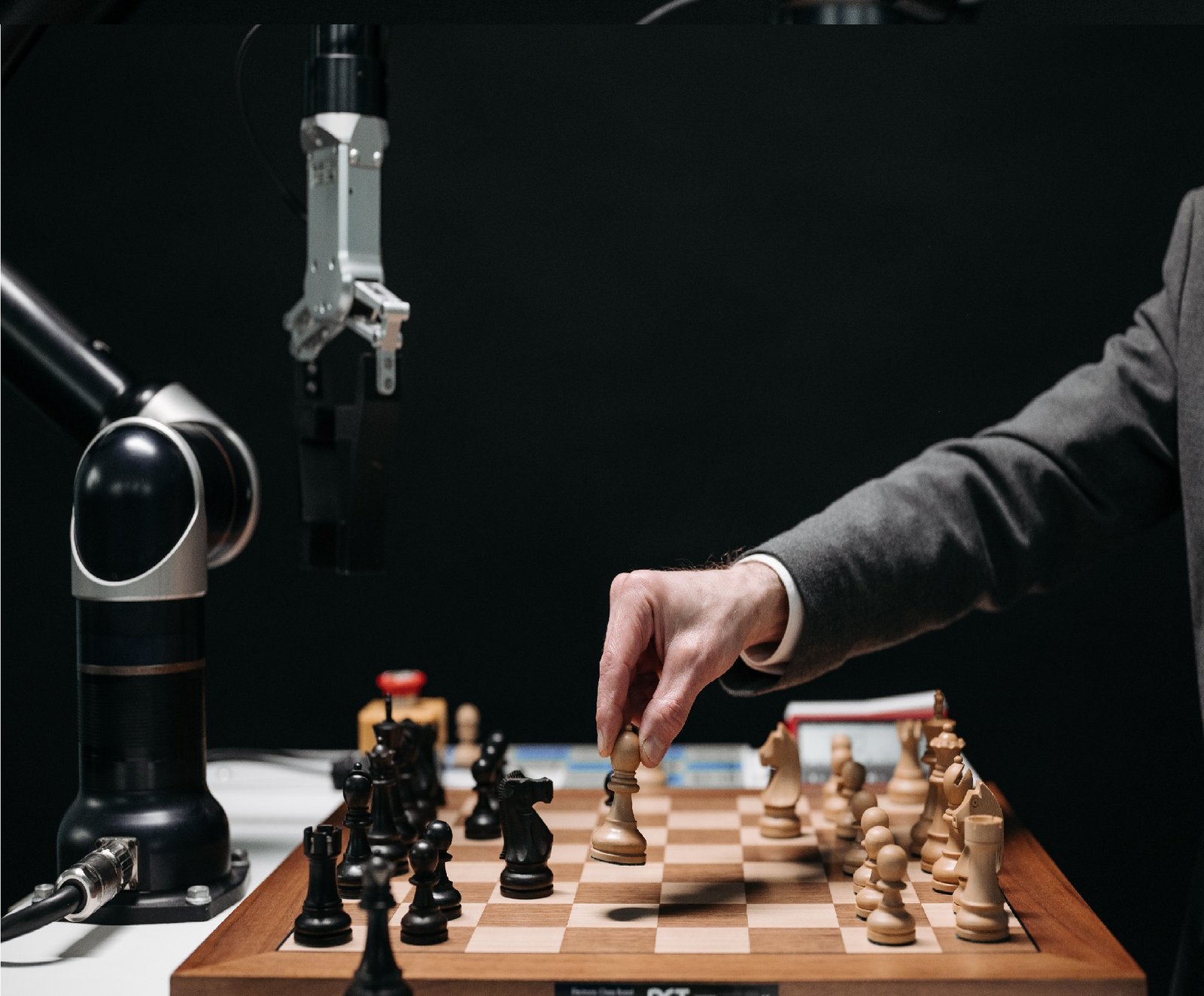
Computer vision and inductive reasoning are two crucial concepts in the field of artificial intelligence. Computer vision aims to enable machines to interpret and understand visual information from the real world, similar to how humans process visual data. On the other hand, inductive reasoning involves making generalizations based on specific instances or examples.
Category : thunderact | Sub Category : thunderact Posted on 2025-11-03 22:25:23
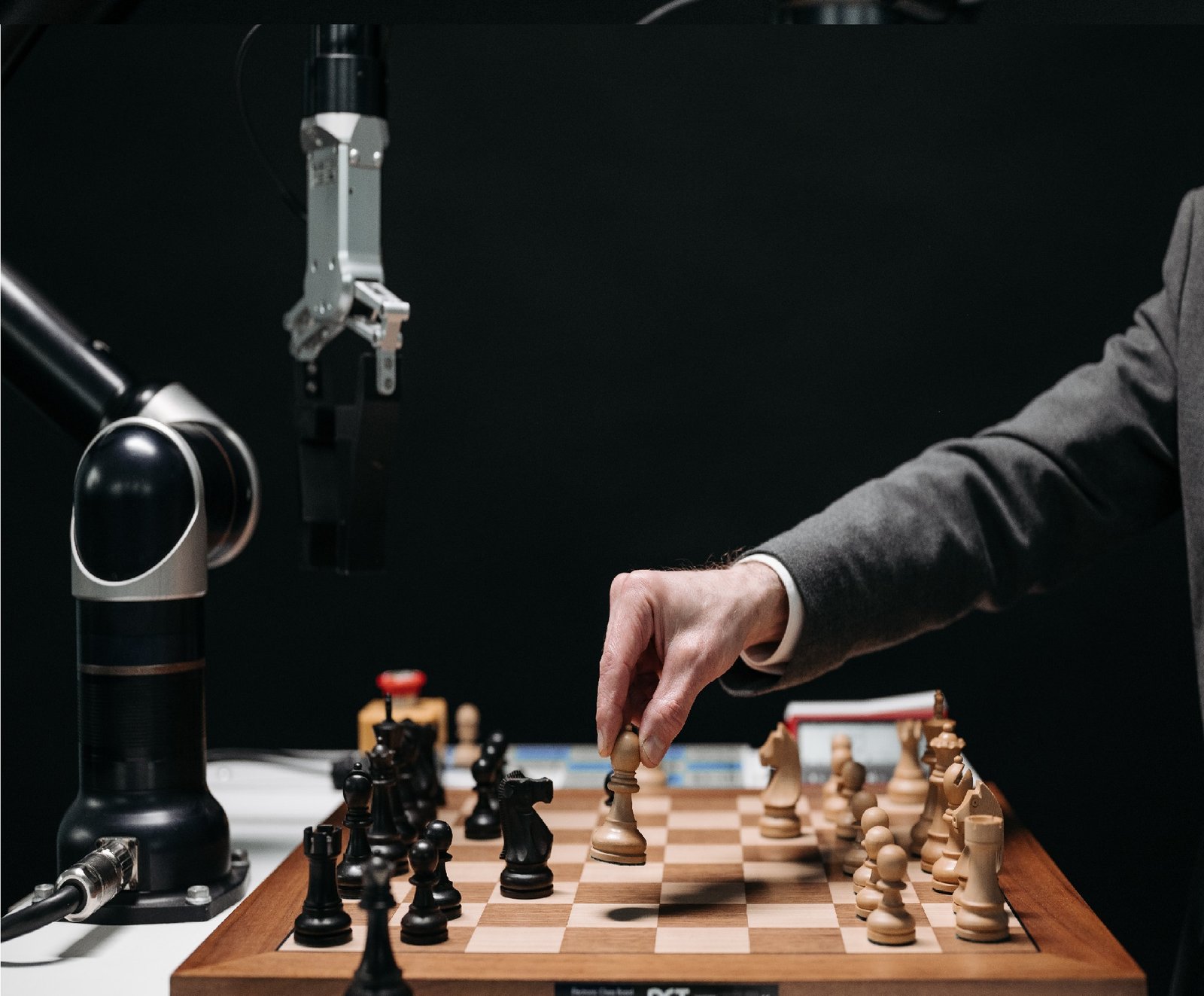
When these two concepts are combined, it opens up a wide range of possibilities and applications. Inductive reasoning can help enhance computer vision algorithms by allowing machines to learn from a smaller set of data and generalize that knowledge to new, unseen scenarios. This can lead to more efficient and accurate image recognition, object detection, and scene understanding capabilities. One common approach to integrating inductive reasoning into computer vision is through the use of convolutional neural networks (CNNs). CNNs are a type of deep learning model that is widely used for tasks such as image classification and object detection. By training CNNs on a diverse set of visual data, they can learn to recognize patterns and make predictions based on that learning. Through inductive reasoning, CNNs can then apply their knowledge to new images that they have never seen before. This ability to generalize from specific examples is crucial for computer vision systems to be robust and adaptable in real-world scenarios where the data may be constantly changing or evolving. In conclusion, integrating inductive reasoning into computer vision algorithms can greatly improve their performance and expand their applications. By allowing machines to learn from limited data and make informed decisions based on that learning, we can pave the way for more advanced and intelligent computer vision systems in the future. You can also check following website for more information about this subject: https://www.heroku.org
Leave a Comment:
SEARCH
Recent News
- In recent years, the use of computer vision technologies has been gaining traction in the field of wildlife conservation. By harnessing the power of artificial intelligence and image recognition algorithms, researchers and conservationists are able to monitor and protect vulnerable animal populations more effectively than ever before.
- Computer vision is a rapidly growing field that has seen significant advancements in recent years. In Vancouver, Canada, there are several top startups that are making waves in the field of computer vision. These startups are leveraging cutting-edge technology to develop innovative solutions for various industries, including healthcare, retail, and autonomous vehicles.
- The Role of Computer Vision in Vancouver Businesses
- Computer vision is an exciting field that is rapidly growing in Vancouver, with many innovative companies leading the way in developing cutting-edge technology. In this blog post, we will explore some of the best companies in Vancouver that are making significant contributions to the field of computer vision.
- Computer vision technology has significantly advanced in recent years, offering a wide range of applications across various industries. One area where computer vision technology has been gaining traction is in the field of business support programs provided by the UK government.
- Enhancing Guest Experiences with Computer Vision Technology in Tunisian Hotels
- Computer vision technology has been rapidly advancing in recent years, opening up a world of possibilities across various industries. From facial recognition to autonomous vehicles, the applications of computer vision are vast and continue to evolve. In this blog post, we will explore some of the current trends in computer vision technology.
- Computer vision tracking solutions are revolutionizing the way businesses operate by providing advanced capabilities to track and monitor objects in real-time. This technology leverages sophisticated algorithms and computer vision techniques to extract valuable information from images and videos. Whether it's monitoring production lines in a factory, tracking inventory in a warehouse, or analyzing shopper behavior in retail stores, computer vision tracking solutions offer numerous benefits across various industries.
READ MORE
11 months ago Category : thunderact
In recent years, the use of computer vision technologies has been gaining traction in the field of wildlife conservation. By harnessing the power of artificial intelligence and image recognition algorithms, researchers and conservationists are able to monitor and protect vulnerable animal populations more effectively than ever before.
Read More →11 months ago Category : thunderact
Computer vision is a rapidly growing field that has seen significant advancements in recent years. In Vancouver, Canada, there are several top startups that are making waves in the field of computer vision. These startups are leveraging cutting-edge technology to develop innovative solutions for various industries, including healthcare, retail, and autonomous vehicles.
Read More →11 months ago Category : thunderact
The Role of Computer Vision in Vancouver Businesses
Read More →11 months ago Category : thunderact