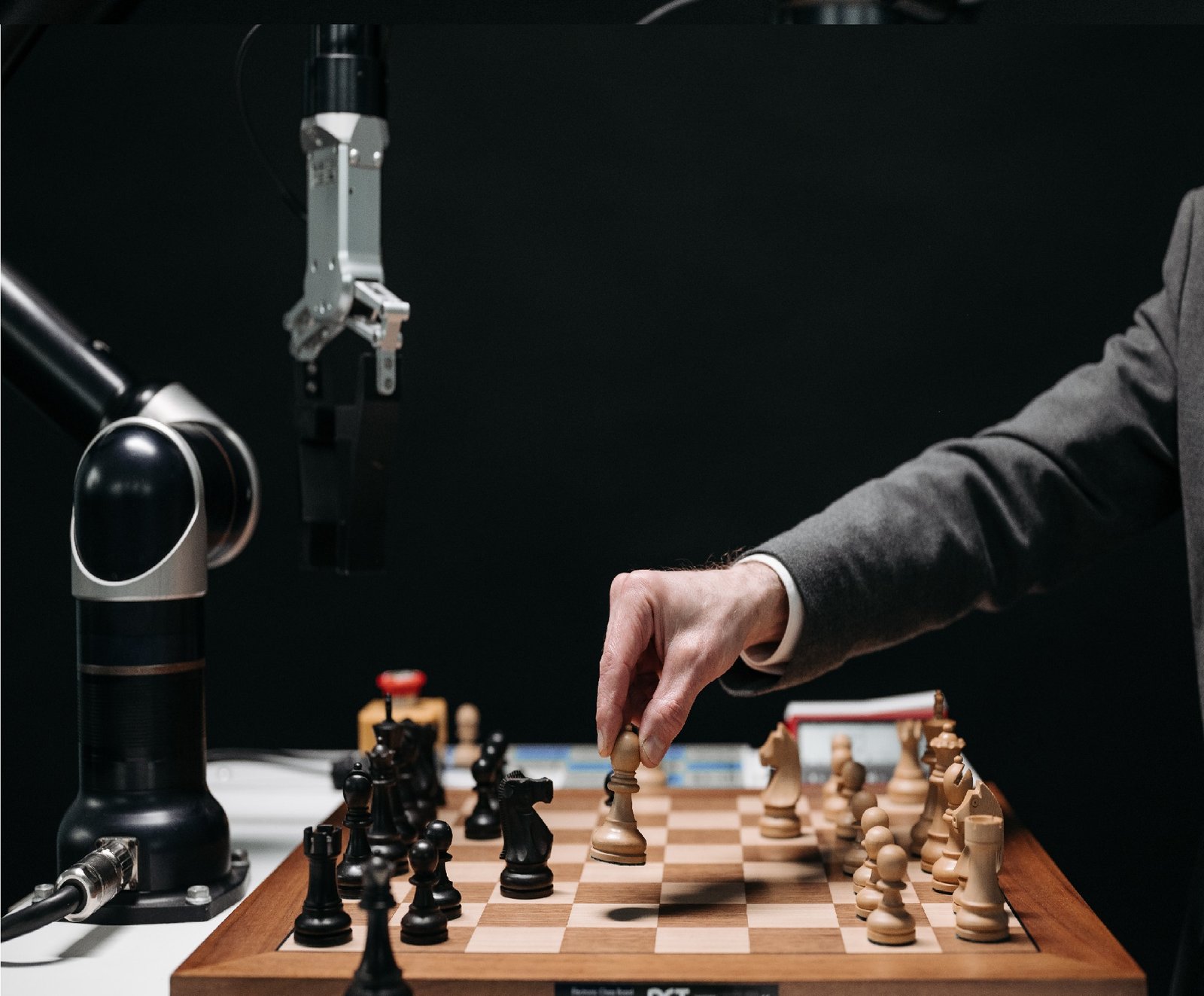
Computer vision is a cutting-edge technology that has revolutionized industries such as manufacturing, healthcare, automotive, and many others. This technology utilizes cameras and advanced algorithms to extract useful information from images or video, enabling machines to "see" and make intelligent decisions based on what they perceive. With the growing adoption of computer vision systems in various fields, the need for robust testing and inspection standards has become crucial to ensure the reliability and accuracy of these systems.
Category : thunderact | Sub Category : thunderact Posted on 2025-11-03 22:25:23
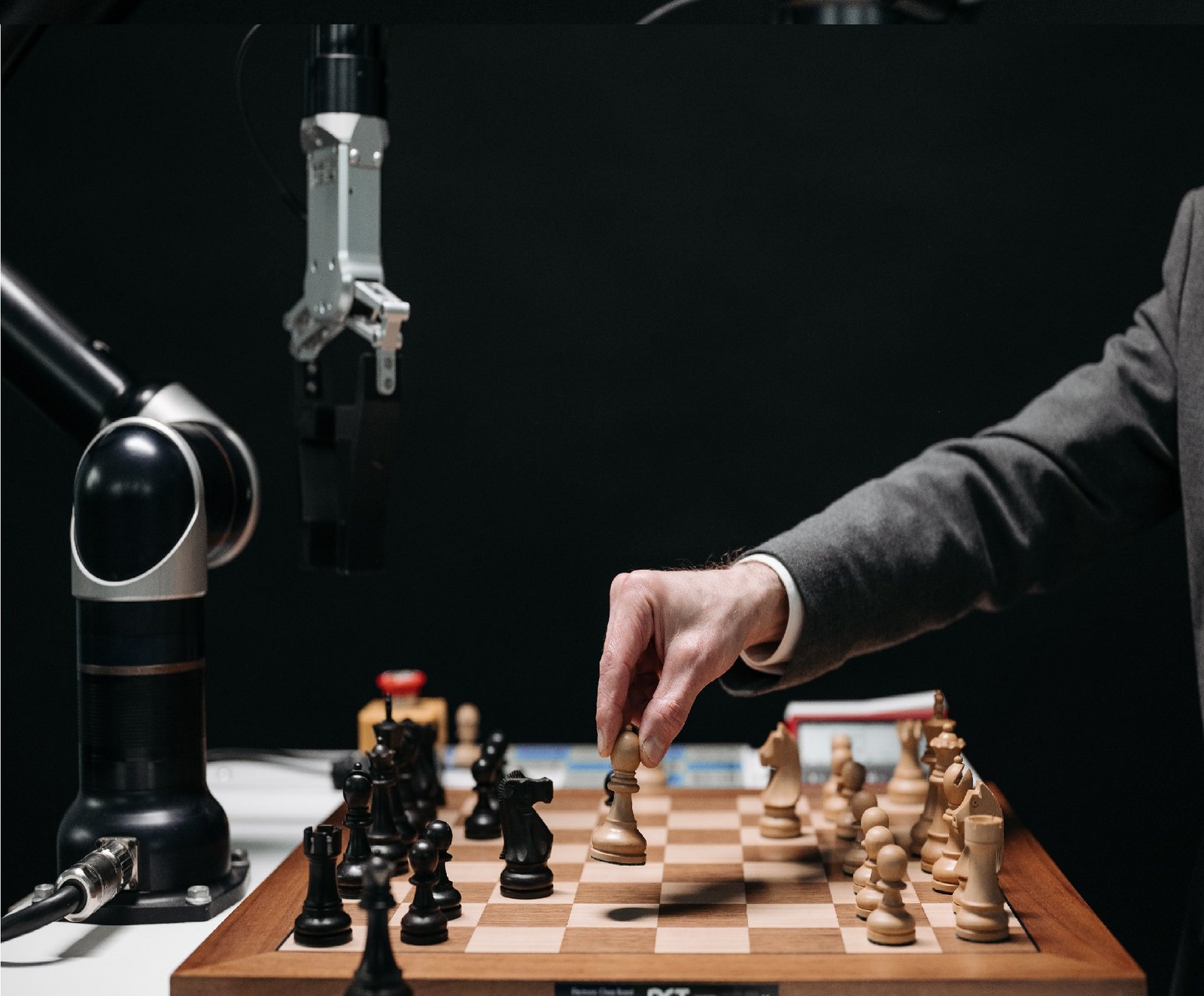
testing and inspection standards play a significant role in the development, deployment, and performance evaluation of computer vision systems. These standards help manufacturers and developers validate the quality and performance of their systems, ensuring that they meet specific criteria and perform as intended. By adhering to established standards, organizations can enhance the trustworthiness of their computer vision solutions and demonstrate compliance with industry regulations. One key aspect of testing and inspection standards for computer vision systems is accuracy assessment. Accuracy refers to how well a system can correctly identify and classify objects or patterns in images or videos. Testing for accuracy involves comparing the system's output against ground truth data to measure its precision, recall, and other metrics. Through thorough accuracy testing, developers can fine-tune their algorithms and improve the overall performance of their computer vision systems. Another critical component of testing and inspection standards is robustness evaluation. Robustness refers to a system's ability to maintain its performance under varying conditions such as changes in lighting, orientation, or appearance of objects. Testing for robustness involves subjecting the system to different scenarios and assessing its resilience to disturbances or noise. By evaluating the robustness of a computer vision system, developers can identify and address potential vulnerabilities that may impact its reliability in real-world applications. Furthermore, testing and inspection standards for computer vision systems also cover aspects such as scalability, interoperability, security, and compliance with ethical guidelines. Scalability testing ensures that a system can handle increasing data volumes or processing loads without compromising performance. Interoperability testing validates the system's compatibility with other hardware or software components, enabling seamless integration into existing workflows. Security testing assesses the system's susceptibility to cyber threats or unauthorized access, safeguarding sensitive data and ensuring user privacy. Compliance testing ensures that the system adheres to ethical principles and regulations governing the use of AI and computer vision technology. In conclusion, the establishment of comprehensive testing and inspection standards is essential for the development and deployment of reliable computer vision systems. By following these standards, organizations can enhance the quality, performance, and trustworthiness of their systems, ultimately driving innovation and progress in the field of computer vision. As this technology continues to advance, the need for robust testing and inspection standards will remain paramount to ensure the safe and effective integration of computer vision solutions across diverse industries.
Leave a Comment:
SEARCH
Recent News
- In recent years, the use of computer vision technologies has been gaining traction in the field of wildlife conservation. By harnessing the power of artificial intelligence and image recognition algorithms, researchers and conservationists are able to monitor and protect vulnerable animal populations more effectively than ever before.
- Computer vision is a rapidly growing field that has seen significant advancements in recent years. In Vancouver, Canada, there are several top startups that are making waves in the field of computer vision. These startups are leveraging cutting-edge technology to develop innovative solutions for various industries, including healthcare, retail, and autonomous vehicles.
- The Role of Computer Vision in Vancouver Businesses
- Computer vision is an exciting field that is rapidly growing in Vancouver, with many innovative companies leading the way in developing cutting-edge technology. In this blog post, we will explore some of the best companies in Vancouver that are making significant contributions to the field of computer vision.
- Computer vision technology has significantly advanced in recent years, offering a wide range of applications across various industries. One area where computer vision technology has been gaining traction is in the field of business support programs provided by the UK government.
- Enhancing Guest Experiences with Computer Vision Technology in Tunisian Hotels
- Computer vision technology has been rapidly advancing in recent years, opening up a world of possibilities across various industries. From facial recognition to autonomous vehicles, the applications of computer vision are vast and continue to evolve. In this blog post, we will explore some of the current trends in computer vision technology.
- Computer vision tracking solutions are revolutionizing the way businesses operate by providing advanced capabilities to track and monitor objects in real-time. This technology leverages sophisticated algorithms and computer vision techniques to extract valuable information from images and videos. Whether it's monitoring production lines in a factory, tracking inventory in a warehouse, or analyzing shopper behavior in retail stores, computer vision tracking solutions offer numerous benefits across various industries.
READ MORE
11 months ago Category : thunderact
In recent years, the use of computer vision technologies has been gaining traction in the field of wildlife conservation. By harnessing the power of artificial intelligence and image recognition algorithms, researchers and conservationists are able to monitor and protect vulnerable animal populations more effectively than ever before.
Read More →11 months ago Category : thunderact
Computer vision is a rapidly growing field that has seen significant advancements in recent years. In Vancouver, Canada, there are several top startups that are making waves in the field of computer vision. These startups are leveraging cutting-edge technology to develop innovative solutions for various industries, including healthcare, retail, and autonomous vehicles.
Read More →11 months ago Category : thunderact
The Role of Computer Vision in Vancouver Businesses
Read More →11 months ago Category : thunderact