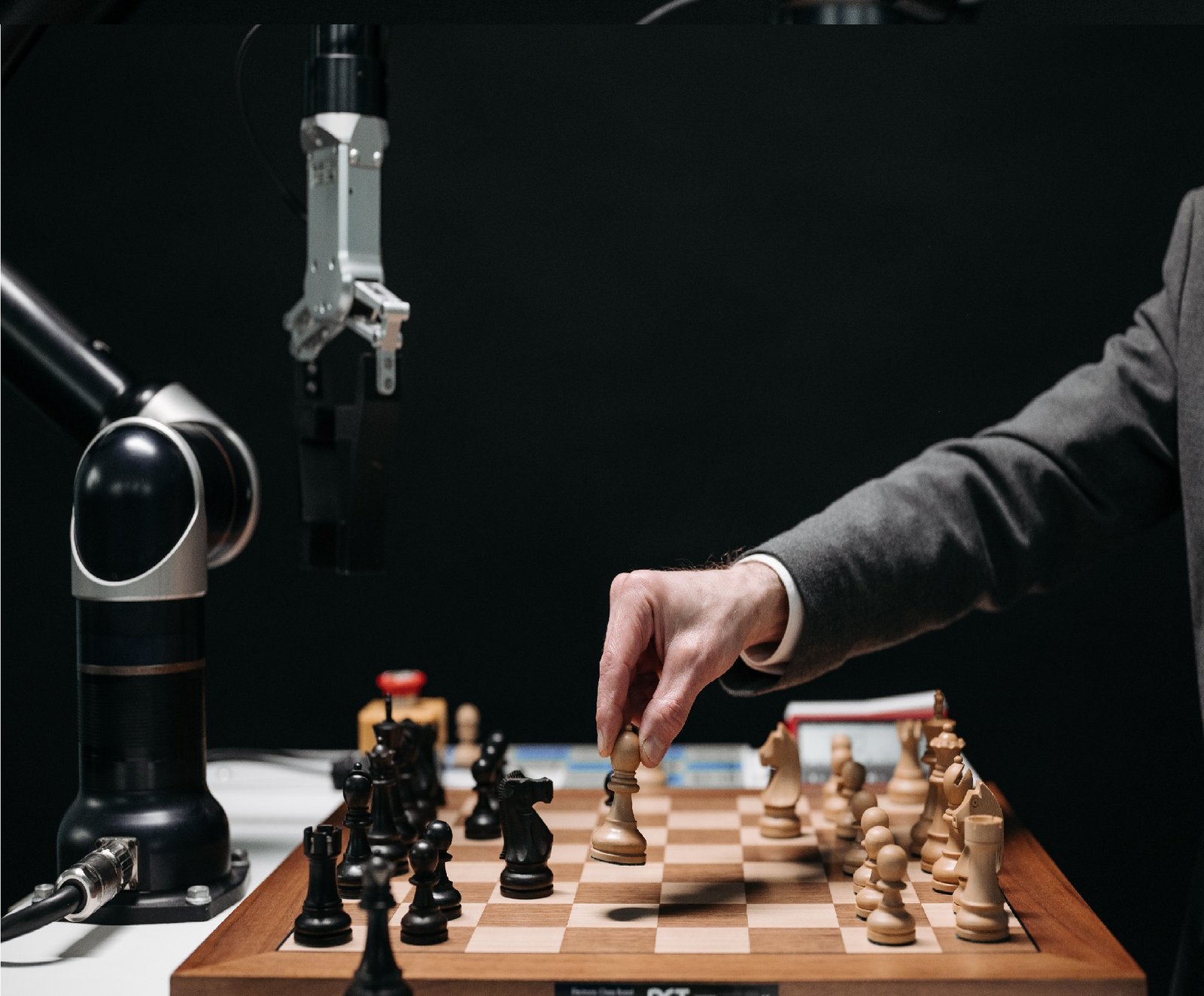
A Brief History of Electronic Device Registration in China and the Role of Computer Vision
Category : thunderact | Sub Category : thunderact Posted on 2024-09-07 22:25:23
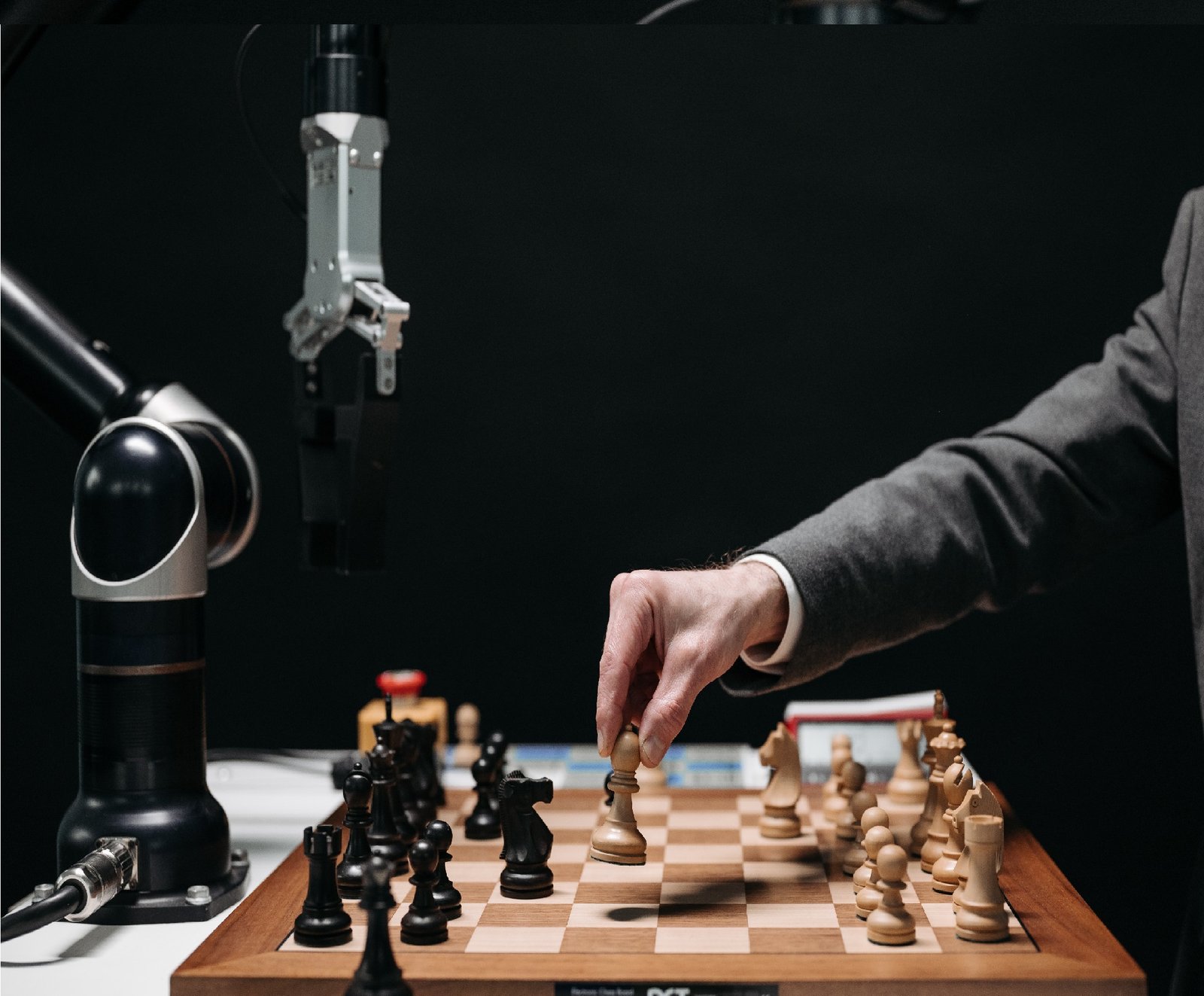
In today's digital age, electronic devices have become an integral part of our daily lives. From smartphones and tablets to laptops and smartwatches, these devices have revolutionized how we communicate, work, and entertain ourselves. In China, the registration of electronic devices has been a priority for both consumers and authorities to ensure safety, authenticity, and compliance with regulations. Let's delve into the evolution of electronic device registration in China and the growing role of computer vision technology in this process. The concept of electronic device registration in China dates back to the early 2000s when the government introduced mandatory registration for mobile phones. This initiative was aimed at curbing the sale and use of counterfeit devices, as well as enhancing consumer protection and telecom security. Over the years, the scope of device registration expanded to include other electronic products such as laptops, tablets, and wearable technology. With the rapid advancements in technology, the traditional methods of device registration faced challenges such as inefficiency, errors, and fraud. This led to the adoption of innovative solutions like computer vision, which leverages artificial intelligence and machine learning to analyze and identify devices based on visual cues and patterns. Computer vision enables authorities to verify the authenticity of devices, track their ownership, and detect any unauthorized modifications or tampering. One of the key benefits of using computer vision technology for device registration is its ability to automate and streamline the process, making it faster, more accurate, and cost-effective. By capturing and analyzing visual data such as unique identifiers, serial numbers, and device features, computer vision algorithms can quickly verify the authenticity of a device and match it with the corresponding registration records in a centralized database. Furthermore, computer vision plays a crucial role in enhancing security and preventing fraudulent activities related to device registration. By utilizing advanced image recognition techniques, authorities can detect counterfeit devices, unauthorized alterations, and duplicate registrations, thus ensuring the integrity of the registration process and protecting consumers from potential risks such as data breaches and identity theft. In conclusion, the history of electronic device registration in China has witnessed significant developments driven by the need for security, authenticity, and regulatory compliance. The integration of computer vision technology has revolutionized the way devices are registered and verified, offering a more efficient, accurate, and secure solution for consumers and authorities alike. As technology continues to evolve, we can expect further advancements in device registration processes, paving the way for a safer and more reliable digital environment in China and beyond.
Leave a Comment:
SEARCH
Recent News
- In recent years, the use of computer vision technologies has been gaining traction in the field of wildlife conservation. By harnessing the power of artificial intelligence and image recognition algorithms, researchers and conservationists are able to monitor and protect vulnerable animal populations more effectively than ever before.
- Computer vision is a rapidly growing field that has seen significant advancements in recent years. In Vancouver, Canada, there are several top startups that are making waves in the field of computer vision. These startups are leveraging cutting-edge technology to develop innovative solutions for various industries, including healthcare, retail, and autonomous vehicles.
- The Role of Computer Vision in Vancouver Businesses
- Computer vision is an exciting field that is rapidly growing in Vancouver, with many innovative companies leading the way in developing cutting-edge technology. In this blog post, we will explore some of the best companies in Vancouver that are making significant contributions to the field of computer vision.
- Computer vision technology has significantly advanced in recent years, offering a wide range of applications across various industries. One area where computer vision technology has been gaining traction is in the field of business support programs provided by the UK government.
- Enhancing Guest Experiences with Computer Vision Technology in Tunisian Hotels
- Computer vision technology has been rapidly advancing in recent years, opening up a world of possibilities across various industries. From facial recognition to autonomous vehicles, the applications of computer vision are vast and continue to evolve. In this blog post, we will explore some of the current trends in computer vision technology.
- Computer vision tracking solutions are revolutionizing the way businesses operate by providing advanced capabilities to track and monitor objects in real-time. This technology leverages sophisticated algorithms and computer vision techniques to extract valuable information from images and videos. Whether it's monitoring production lines in a factory, tracking inventory in a warehouse, or analyzing shopper behavior in retail stores, computer vision tracking solutions offer numerous benefits across various industries.
READ MORE
11 months ago Category : thunderact
In recent years, the use of computer vision technologies has been gaining traction in the field of wildlife conservation. By harnessing the power of artificial intelligence and image recognition algorithms, researchers and conservationists are able to monitor and protect vulnerable animal populations more effectively than ever before.
Read More →11 months ago Category : thunderact
Computer vision is a rapidly growing field that has seen significant advancements in recent years. In Vancouver, Canada, there are several top startups that are making waves in the field of computer vision. These startups are leveraging cutting-edge technology to develop innovative solutions for various industries, including healthcare, retail, and autonomous vehicles.
Read More →11 months ago Category : thunderact
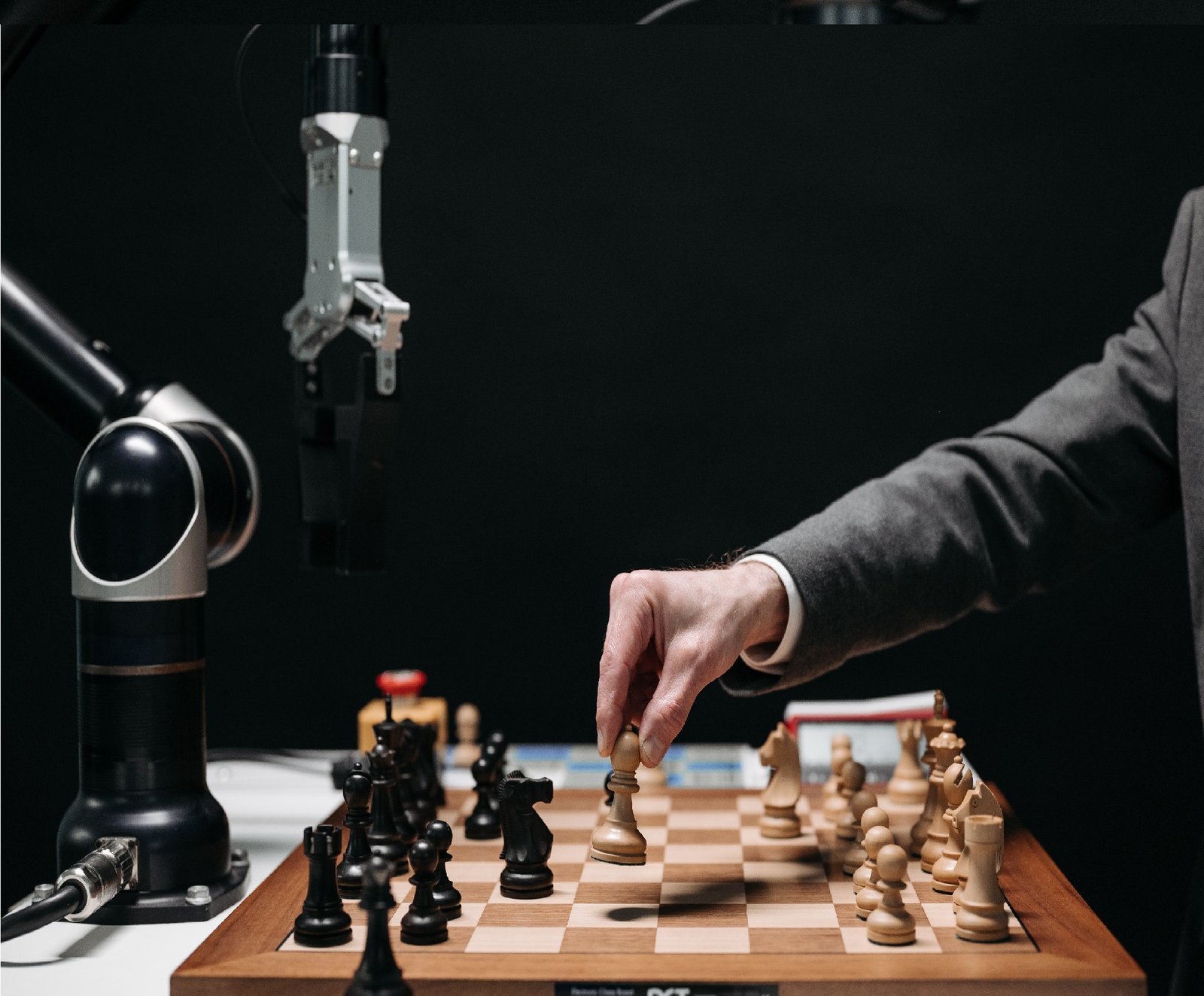
The Role of Computer Vision in Vancouver Businesses
Read More →11 months ago Category : thunderact