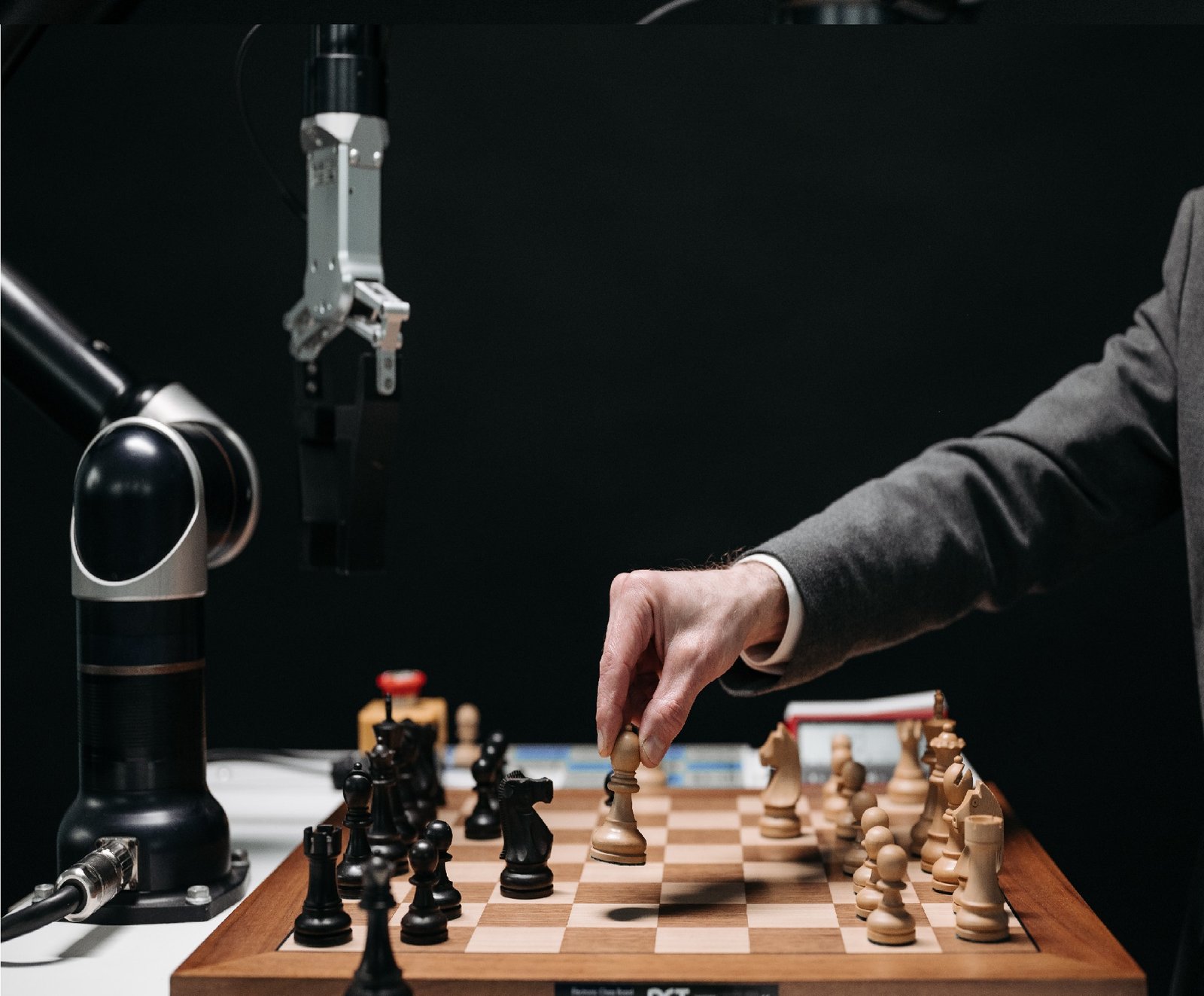
Enhancing Industrial Robotics with Natural Language Processing
Category : thunderact | Sub Category : thunderact Posted on 2023-10-30 21:24:53

Introduction: Industries worldwide are constantly seeking ways to improve efficiency, accuracy, and productivity. With advancements in technology, the integration of robotics has become increasingly prevalent in various sectors, evolving traditional manufacturing processes. One exciting field that holds immense potential for industrial automation is Natural Language Processing (NLP), which enables robots to understand and respond to human language. In this blog post, we will explore the intersection of industrial robotics and NLP and discuss its transformative impact on the manufacturing landscape. Integration of NLP into Industrial Robotics: Natural Language Processing, a subfield of artificial intelligence, focuses on the interaction between computers and humans through natural language. When leveraged in combination with industrial robotics, NLP opens up a range of possibilities for improving operational efficiency and human-robot collaboration. 1. Voice Commands for Robot Control: NLP allows operators to control robotic systems through simple voice commands. By using voice recognition technology, robots can interpret and execute tasks based on spoken instructions. This capability significantly reduces the complexity and learning curve associated with operating industrial robots, making them more accessible to a wider range of users. 2. Enhanced Human-Robot Interaction: By implementing NLP algorithms, robots can understand and respond to human language, fostering better communication and collaboration between humans and machines. This enables workers to give more complex instructions, ask questions, or provide feedback in a familiar and comfortable manner, ultimately leading to increased productivity and improved overall workflow. 3. Real-time Multilingual Support: Industrial environments often involve diverse workforces comprising individuals from different linguistic backgrounds. NLP integrated robots can overcome language barriers by providing real-time language translation, allowing workers to communicate effectively irrespective of their native language. This not only increases operational efficiency but also fosters a more inclusive and diverse workplace. 4. Intelligent Data Analysis: Data plays a crucial role in optimizing industrial processes. By utilizing NLP techniques, robots can analyze large amounts of text data, such as maintenance reports, equipment manuals, and quality control standards, to identify patterns, extract insights, and make data-driven decisions. This helps in improving equipment maintenance, detecting potential defect patterns, and optimizing manufacturing workflow. Benefits and Challenges: The integration of NLP into industrial robotics offers numerous benefits, including increased efficiency, improved human-robot interaction, enhanced workplace safety, and greater adaptability to shifting demands. However, certain challenges must be addressed, such as accuracy of voice recognition, contextual understanding, and handling industry-specific jargon. Ongoing research and development in NLP algorithms aim to overcome these hurdles and further enhance the capabilities of industrial robots. Future Outlook: As the synergy between industrial robotics and NLP continues to evolve, we can expect to witness transformative changes in manufacturing processes. Improved software algorithms, machine learning, and artificial intelligence will enable robots to understand and respond to human language with greater accuracy and contextual understanding. The seamless integration of NLP into industrial robotics will lead to more intelligent, autonomous, and adaptive systems, revolutionizing the way we manufacture products. Conclusion: Incorporating Natural Language Processing into industrial robotics usher in a new era of human-robot collaboration and revolutionize traditional manufacturing processes. The ability of robots to understand and respond to human language will not only streamline operations but also empower workers and improve overall productivity. As technology advances further, the potential for NLP-integrated industrial robotics seems limitless, promising a future where machines and humans can work seamlessly together for optimized production. Get more at http://www.pxrobotics.com
Leave a Comment:
SEARCH
Recent News
- In recent years, the use of computer vision technologies has been gaining traction in the field of wildlife conservation. By harnessing the power of artificial intelligence and image recognition algorithms, researchers and conservationists are able to monitor and protect vulnerable animal populations more effectively than ever before.
- Computer vision is a rapidly growing field that has seen significant advancements in recent years. In Vancouver, Canada, there are several top startups that are making waves in the field of computer vision. These startups are leveraging cutting-edge technology to develop innovative solutions for various industries, including healthcare, retail, and autonomous vehicles.
- The Role of Computer Vision in Vancouver Businesses
- Computer vision is an exciting field that is rapidly growing in Vancouver, with many innovative companies leading the way in developing cutting-edge technology. In this blog post, we will explore some of the best companies in Vancouver that are making significant contributions to the field of computer vision.
- Computer vision technology has significantly advanced in recent years, offering a wide range of applications across various industries. One area where computer vision technology has been gaining traction is in the field of business support programs provided by the UK government.
- Enhancing Guest Experiences with Computer Vision Technology in Tunisian Hotels
- Computer vision technology has been rapidly advancing in recent years, opening up a world of possibilities across various industries. From facial recognition to autonomous vehicles, the applications of computer vision are vast and continue to evolve. In this blog post, we will explore some of the current trends in computer vision technology.
- Computer vision tracking solutions are revolutionizing the way businesses operate by providing advanced capabilities to track and monitor objects in real-time. This technology leverages sophisticated algorithms and computer vision techniques to extract valuable information from images and videos. Whether it's monitoring production lines in a factory, tracking inventory in a warehouse, or analyzing shopper behavior in retail stores, computer vision tracking solutions offer numerous benefits across various industries.
READ MORE
10 months ago Category : thunderact
In recent years, the use of computer vision technologies has been gaining traction in the field of wildlife conservation. By harnessing the power of artificial intelligence and image recognition algorithms, researchers and conservationists are able to monitor and protect vulnerable animal populations more effectively than ever before.
Read More →10 months ago Category : thunderact
Computer vision is a rapidly growing field that has seen significant advancements in recent years. In Vancouver, Canada, there are several top startups that are making waves in the field of computer vision. These startups are leveraging cutting-edge technology to develop innovative solutions for various industries, including healthcare, retail, and autonomous vehicles.
Read More →10 months ago Category : thunderact
The Role of Computer Vision in Vancouver Businesses
Read More →10 months ago Category : thunderact