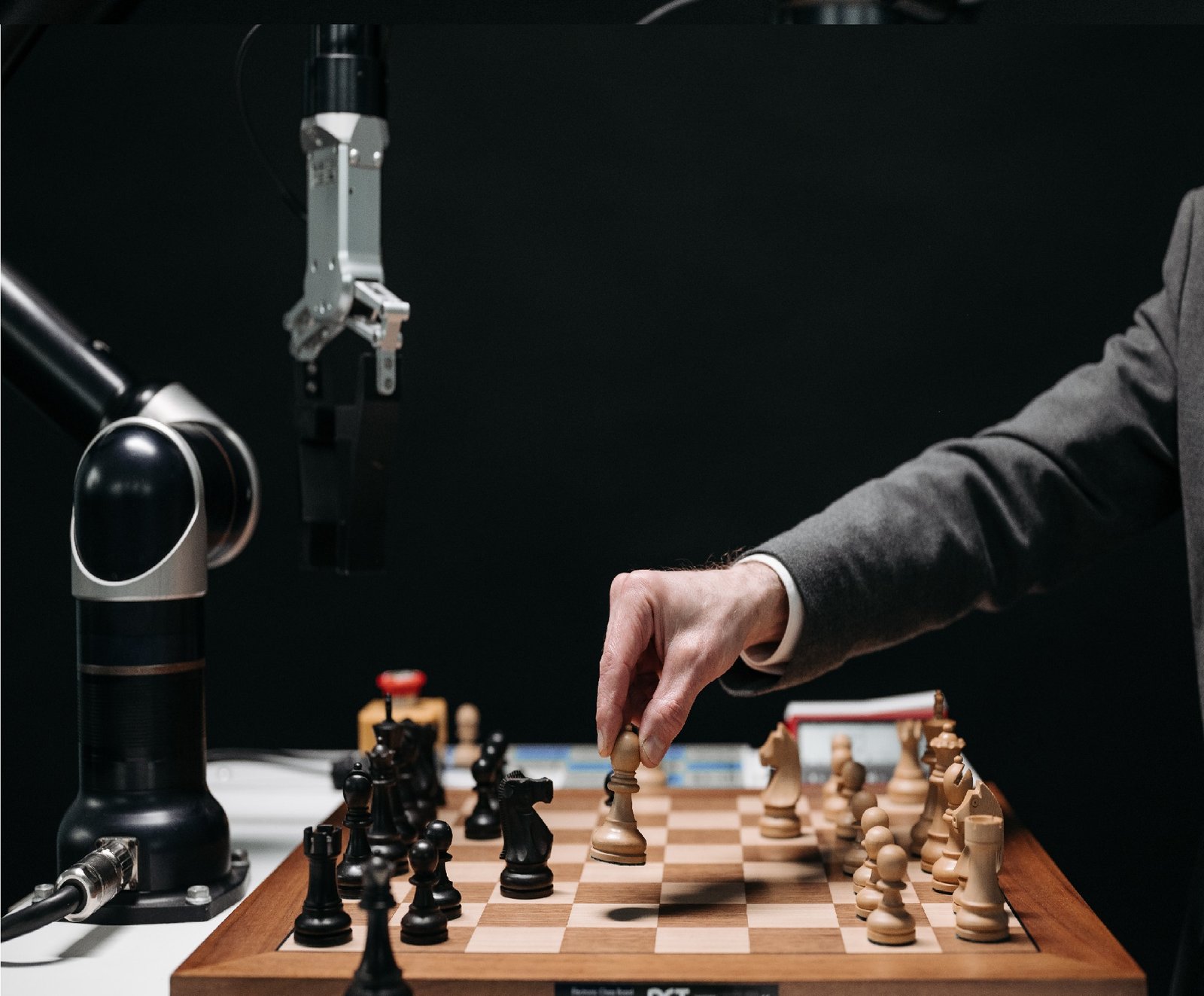
Navigating the Dangers of Artificial Intelligence in Pet Ownership
Category : thunderact | Sub Category : thunderact Posted on 2023-10-30 21:24:53
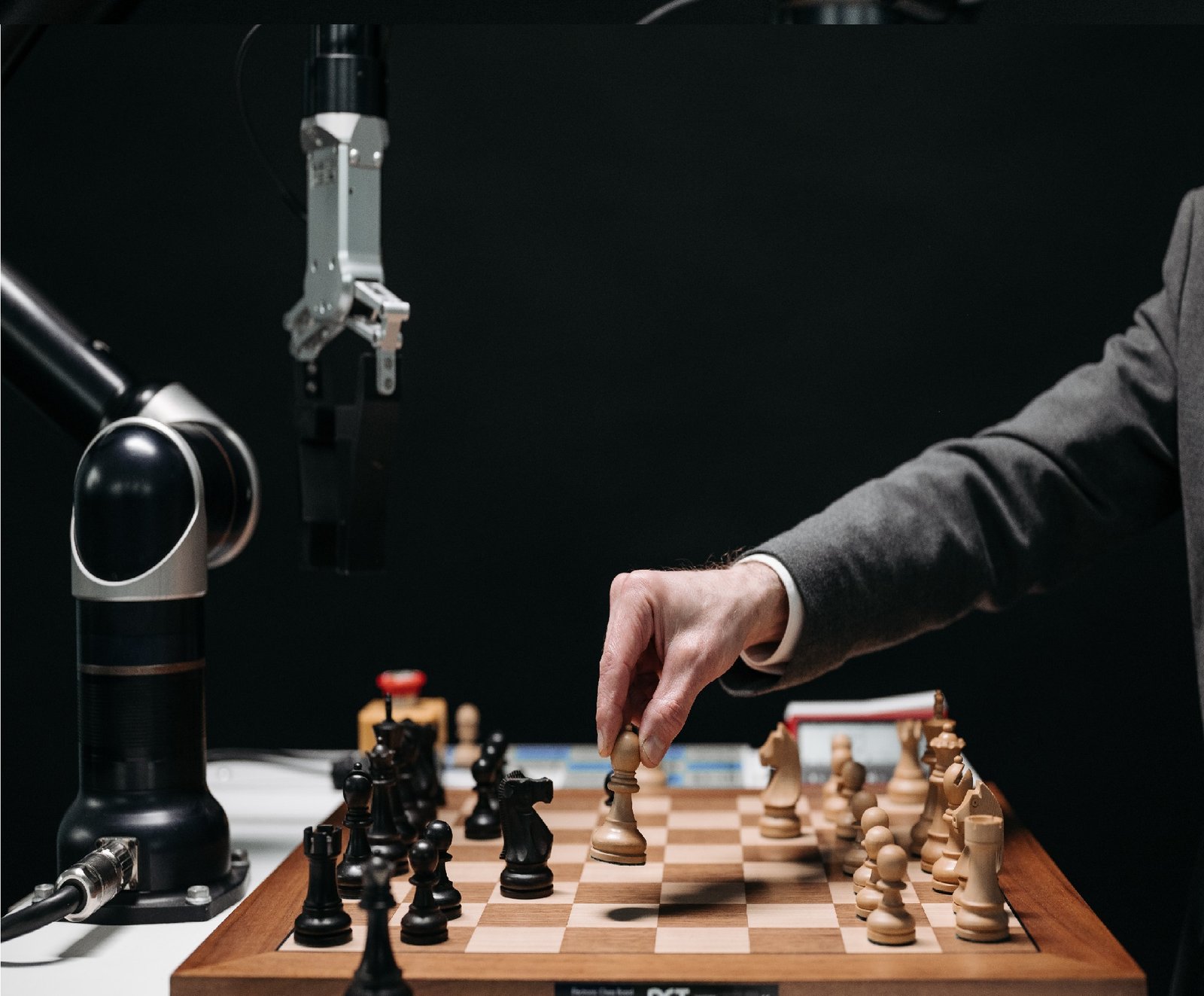
Introduction: Artificial intelligence (AI) has revolutionized many aspects of our lives, from self-driving cars to virtual assistants. However, when it comes to our beloved furry friends, it's important to be aware of the potential dangers that AI can pose to pets. As pet owners, we must educate ourselves and take precautions to ensure the well-being and safety of our animal companions. In this article, we will explore the risks associated with AI in pet ownership and provide guidance on how to navigate them responsibly. 1. Virtual Pet Assistants: Virtual pet assistants, such as AI-powered pet monitoring systems or automated feeding devices, have gained popularity in recent years. While these inventions can provide convenience and peace of mind, they should not replace the essential care and personal interaction that pets require. It's important to remember that AI devices cannot fully replicate human love and attention, and they should be used as complementary tools rather than substitutes for responsible pet ownership. 2. Data Privacy and Security: Many AI-powered devices collect and process vast amounts of data, including sensitive information about our pets and ourselves. As pet owners, it's crucial to be mindful of the privacy and security implications associated with these technologies. Before investing in any AI devices, ensure that they have strong data protection measures in place and consider the worst-case scenarios in which your pet's information could be compromised or used for malicious purposes. 3. Lack of Personalized Attention: Some AI systems claim to analyze pet behavior and make recommendations for care. While these algorithms can provide general insights, they often lack the personalized attention that individual pets require. It's crucial to remember that every pet is unique, with different needs and personalities. Avoid solely relying on AI recommendations and instead consult with veterinarians or professional trainers who can provide tailored advice based on your pet's specific requirements. 4. Emotional Bonding and Health Monitoring: AI devices may promise to monitor your pet's emotions or track their health. While these technologies can be helpful in certain situations, nothing can replace the intuition and understanding that comes with close observation and companionship. Pay attention to any changes in your pet's behavior and consult professionals for accurate assessments of their emotional well-being or health. 5. Training and Behavioral Modification: Some pet owners might turn to AI-based training tools or virtual trainers to address behavioral issues. While these resources can provide guidance, nothing compares to a certified dog trainer or behaviorist who can work directly with your pet. AI tools should be used in conjunction with professional assistance, rather than as standalone solutions. Conclusion: Artificial intelligence has undoubtedly transformed various industries, including pet care. While these advancements can provide certain benefits, it is crucial to approach AI-based solutions in pet ownership responsibly. Remember that your pet's wellbeing hinges on human interaction, personalized care, and expert guidance. Embrace AI devices as helpful tools, but always prioritize your pet's individual needs and consult professionals for proper care and advice. By striking a balance between technology and personal touch, we can ensure a safe and happy environment for our beloved pets. To expand your knowledge, I recommend: http://www.semifake.com Want a deeper understanding? http://www.vfeat.com Want to learn more? Start with: http://www.qqhbo.com
Leave a Comment:
SEARCH
Recent News
- In recent years, the use of computer vision technologies has been gaining traction in the field of wildlife conservation. By harnessing the power of artificial intelligence and image recognition algorithms, researchers and conservationists are able to monitor and protect vulnerable animal populations more effectively than ever before.
- Computer vision is a rapidly growing field that has seen significant advancements in recent years. In Vancouver, Canada, there are several top startups that are making waves in the field of computer vision. These startups are leveraging cutting-edge technology to develop innovative solutions for various industries, including healthcare, retail, and autonomous vehicles.
- The Role of Computer Vision in Vancouver Businesses
- Computer vision is an exciting field that is rapidly growing in Vancouver, with many innovative companies leading the way in developing cutting-edge technology. In this blog post, we will explore some of the best companies in Vancouver that are making significant contributions to the field of computer vision.
- Computer vision technology has significantly advanced in recent years, offering a wide range of applications across various industries. One area where computer vision technology has been gaining traction is in the field of business support programs provided by the UK government.
- Enhancing Guest Experiences with Computer Vision Technology in Tunisian Hotels
- Computer vision technology has been rapidly advancing in recent years, opening up a world of possibilities across various industries. From facial recognition to autonomous vehicles, the applications of computer vision are vast and continue to evolve. In this blog post, we will explore some of the current trends in computer vision technology.
- Computer vision tracking solutions are revolutionizing the way businesses operate by providing advanced capabilities to track and monitor objects in real-time. This technology leverages sophisticated algorithms and computer vision techniques to extract valuable information from images and videos. Whether it's monitoring production lines in a factory, tracking inventory in a warehouse, or analyzing shopper behavior in retail stores, computer vision tracking solutions offer numerous benefits across various industries.
READ MORE
10 months ago Category : thunderact
In recent years, the use of computer vision technologies has been gaining traction in the field of wildlife conservation. By harnessing the power of artificial intelligence and image recognition algorithms, researchers and conservationists are able to monitor and protect vulnerable animal populations more effectively than ever before.
Read More →10 months ago Category : thunderact
Computer vision is a rapidly growing field that has seen significant advancements in recent years. In Vancouver, Canada, there are several top startups that are making waves in the field of computer vision. These startups are leveraging cutting-edge technology to develop innovative solutions for various industries, including healthcare, retail, and autonomous vehicles.
Read More →10 months ago Category : thunderact
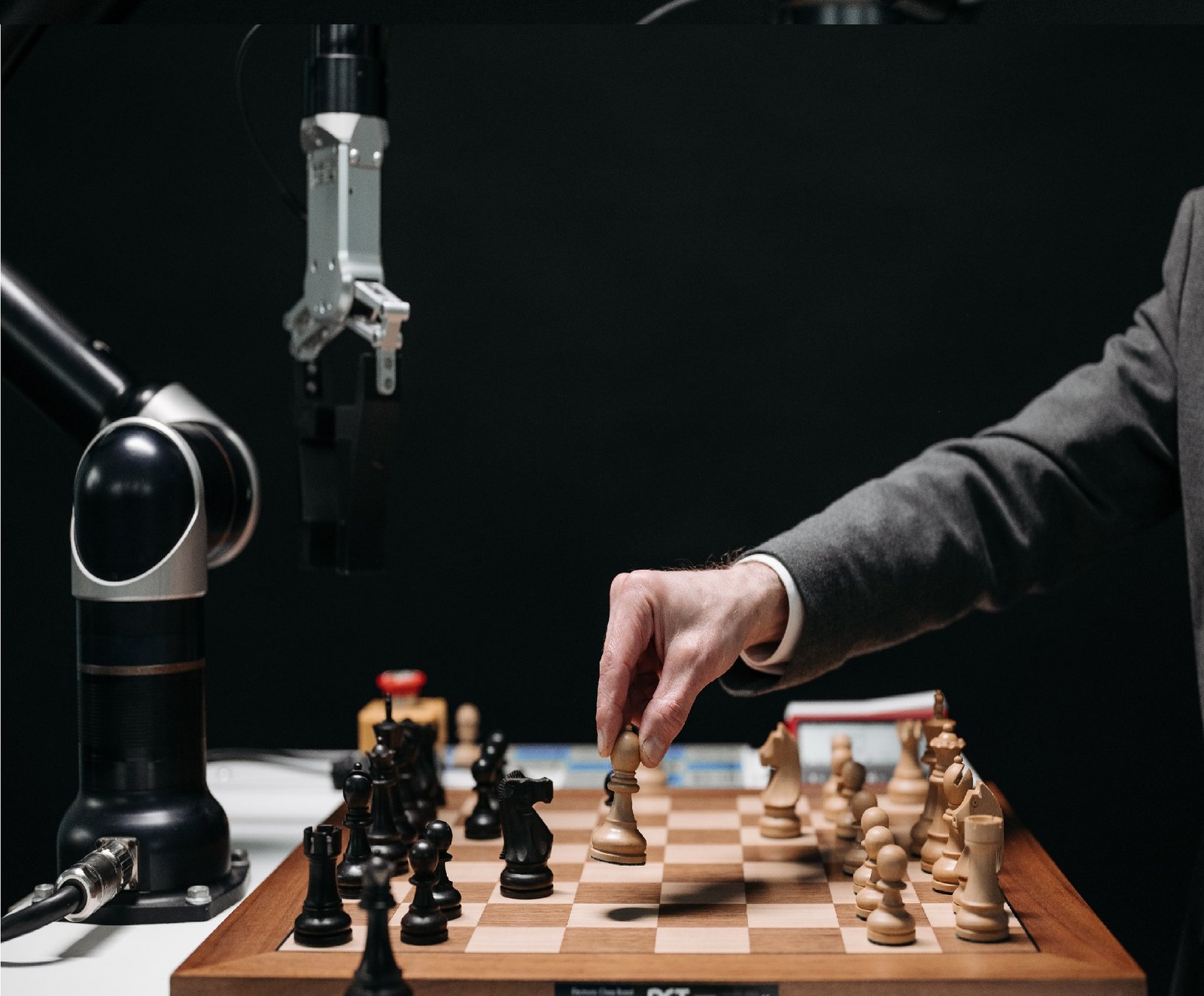
The Role of Computer Vision in Vancouver Businesses
Read More →10 months ago Category : thunderact