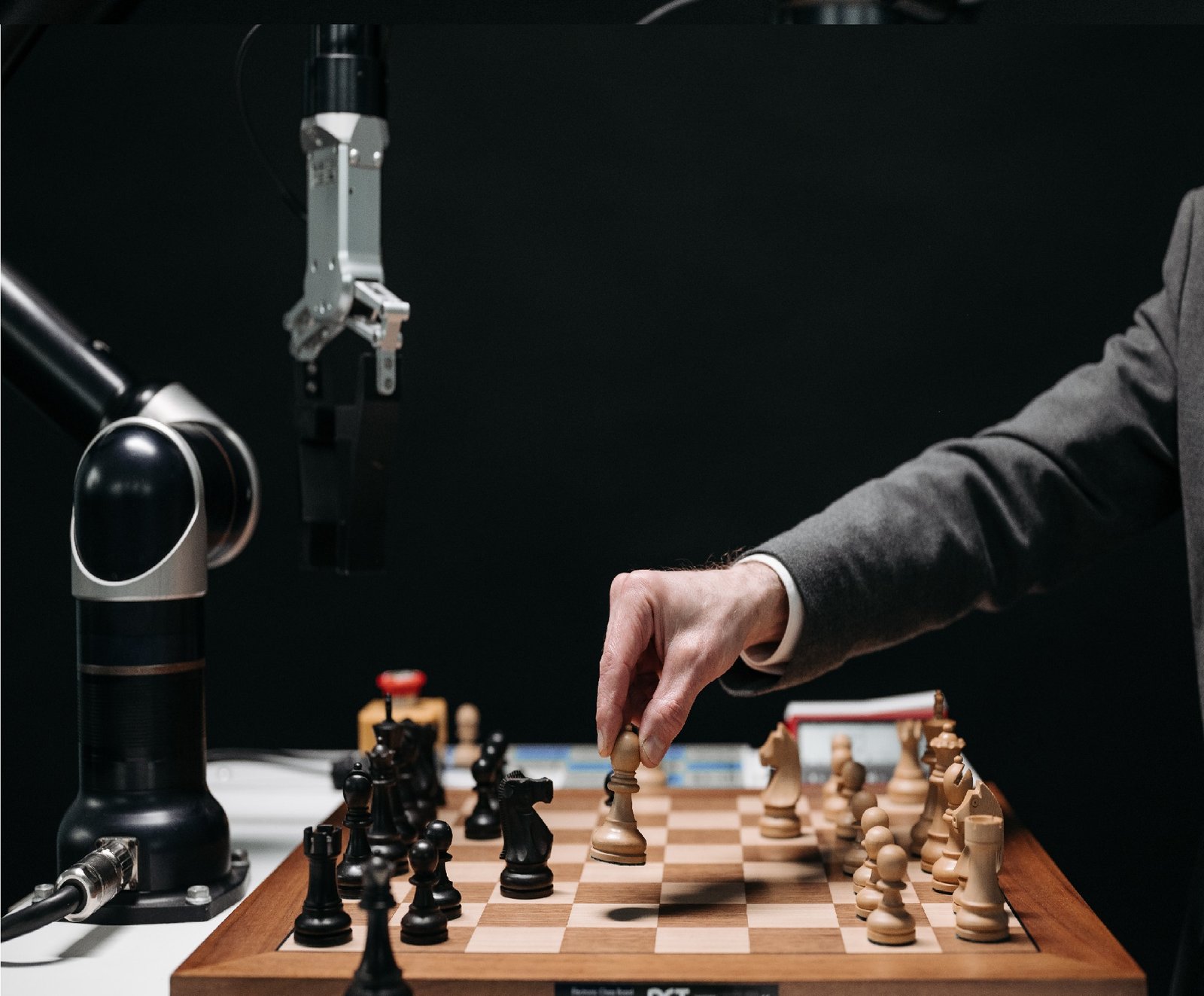
Trading with Artificial Intelligence: Taxation for Foreign Investors in Russia
Category : thunderact | Sub Category : thunderact Posted on 2023-10-30 21:24:53
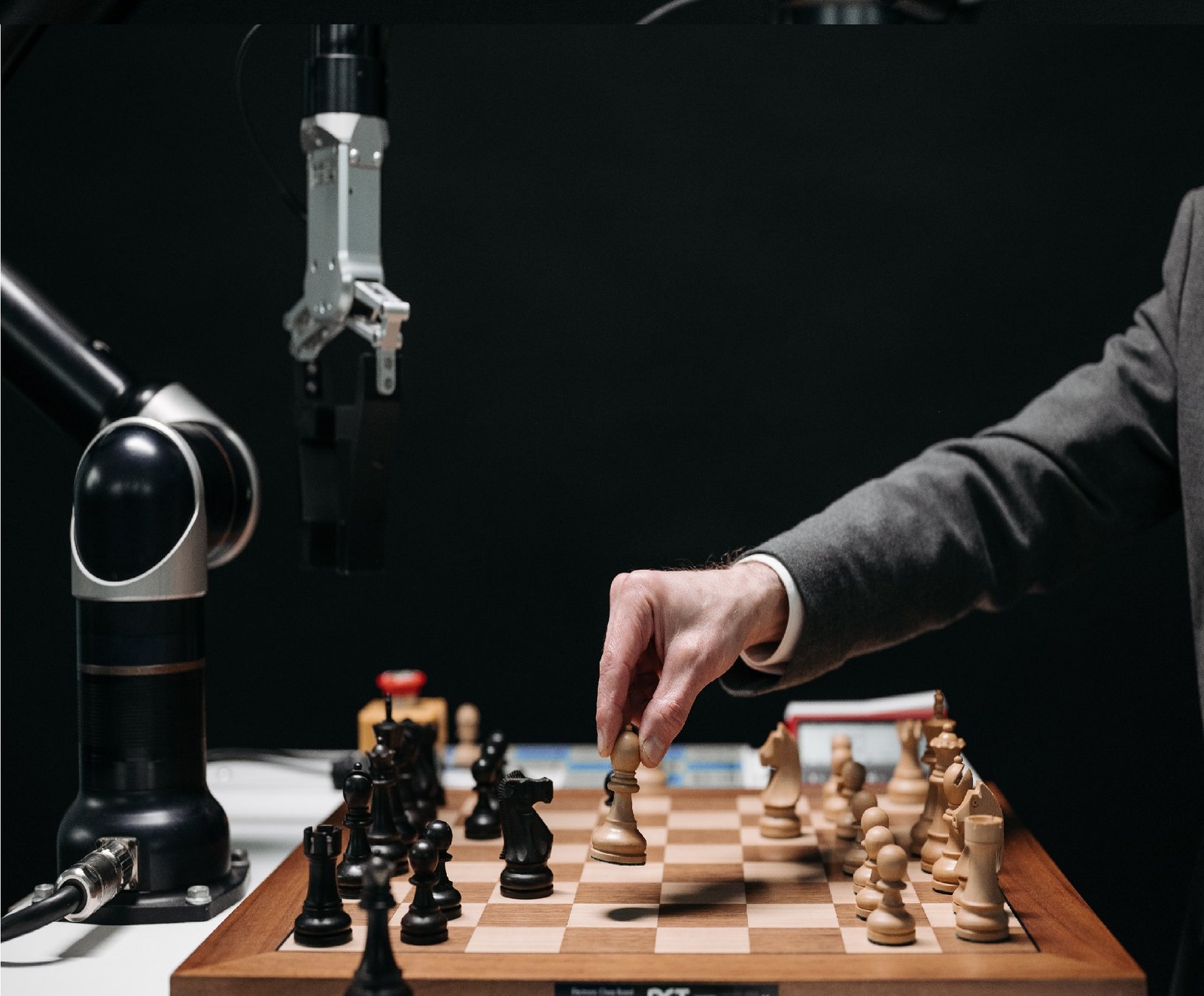
Introduction: In recent years, the use of artificial intelligence (AI) in trading has grown rapidly, promising greater speed, efficiency, and accuracy in investment decisions. As the global financial landscape continues to evolve, more and more foreign investors are exploring opportunities in emerging markets like Russia. However, understanding the taxation framework governing trading with AI in Russia is crucial for foreign investors to optimize their investments. In this blog post, we will delve into the taxation aspects that foreign investors should consider when trading with AI in Russia. Taxation on Trading Activities: Foreign investors engaged in trading with AI in Russia should be aware of the taxation rules surrounding their trading activities. The basic principle is that they are subject to the same tax liabilities as Russian residents. The tax regime includes the following elements: 1. Corporate Income Tax (CIT): Foreign companies trading in Russia are liable for CIT at a rate of 20%. This tax is levied on the company's net profit from trading activities. However, certain deductions and exemptions may apply based on the nature and size of the business. 2. Value Added Tax (VAT): Foreign investors engaged in trading with AI should also consider the implications of VAT. In Russia, the standard VAT rate is 20%, and it is levied on the sale of goods and services. While trading activities are generally exempt from VAT, it is essential to consult with tax professionals to ensure compliance with the specific regulations. 3. Withholding Tax (WHT): Foreign investors may also encounter withholding tax when trading with AI in Russia. If a foreign company receives income from Russia (e.g., dividends, interest, royalties), the Russian source will withhold tax at the applicable rates. The withholding tax rates vary depending on the type of income and the country with which Russia has a tax treaty. Taxation on AI Development and Implementation: Apart from trading activities, foreign investors should also consider taxation related to AI development and implementation. The tax landscape for AI-related activities in Russia is evolving, and it is essential to stay updated with the latest regulations. Some key aspects to consider include: 1. Research and Development (R&D) Tax Incentives: Foreign investors engaged in AI development in Russia may be eligible for R&D tax incentives. These incentives aim to encourage innovation and provide tax breaks on qualifying R&D expenditures. To avail of these incentives, investors need to meet specific criteria and comply with documentation requirements. 2. Intellectual Property (IP) Rights: Foreign investors should also pay attention to the taxation of IP rights associated with AI software and algorithms used in trading. The transfer of IP rights may attract tax implications, such as capital gains tax or royalty taxation. It is advisable to seek expert advice to assess the tax implications related to IP rights transfer. Conclusion: Trading with artificial intelligence in Russia offers exciting opportunities for foreign investors. However, navigating the taxation landscape is essential to optimize investment returns and ensure compliance with Russian tax regulations. By familiarizing themselves with the taxation framework, including considerations for trading activities and AI development, foreign investors can make informed decisions and manage their tax liabilities effectively. Seeking professional tax advice is highly recommended to navigate the complexities of the Russian tax system and maximize the benefits of trading with AI. Have a visit at http://www.vfeat.com For a different angle, consider what the following has to say. http://www.leecow.com
Leave a Comment:
SEARCH
Recent News
- In recent years, the use of computer vision technologies has been gaining traction in the field of wildlife conservation. By harnessing the power of artificial intelligence and image recognition algorithms, researchers and conservationists are able to monitor and protect vulnerable animal populations more effectively than ever before.
- Computer vision is a rapidly growing field that has seen significant advancements in recent years. In Vancouver, Canada, there are several top startups that are making waves in the field of computer vision. These startups are leveraging cutting-edge technology to develop innovative solutions for various industries, including healthcare, retail, and autonomous vehicles.
- The Role of Computer Vision in Vancouver Businesses
- Computer vision is an exciting field that is rapidly growing in Vancouver, with many innovative companies leading the way in developing cutting-edge technology. In this blog post, we will explore some of the best companies in Vancouver that are making significant contributions to the field of computer vision.
- Computer vision technology has significantly advanced in recent years, offering a wide range of applications across various industries. One area where computer vision technology has been gaining traction is in the field of business support programs provided by the UK government.
- Enhancing Guest Experiences with Computer Vision Technology in Tunisian Hotels
- Computer vision technology has been rapidly advancing in recent years, opening up a world of possibilities across various industries. From facial recognition to autonomous vehicles, the applications of computer vision are vast and continue to evolve. In this blog post, we will explore some of the current trends in computer vision technology.
- Computer vision tracking solutions are revolutionizing the way businesses operate by providing advanced capabilities to track and monitor objects in real-time. This technology leverages sophisticated algorithms and computer vision techniques to extract valuable information from images and videos. Whether it's monitoring production lines in a factory, tracking inventory in a warehouse, or analyzing shopper behavior in retail stores, computer vision tracking solutions offer numerous benefits across various industries.
READ MORE
11 months ago Category : thunderact
In recent years, the use of computer vision technologies has been gaining traction in the field of wildlife conservation. By harnessing the power of artificial intelligence and image recognition algorithms, researchers and conservationists are able to monitor and protect vulnerable animal populations more effectively than ever before.
Read More →11 months ago Category : thunderact
Computer vision is a rapidly growing field that has seen significant advancements in recent years. In Vancouver, Canada, there are several top startups that are making waves in the field of computer vision. These startups are leveraging cutting-edge technology to develop innovative solutions for various industries, including healthcare, retail, and autonomous vehicles.
Read More →11 months ago Category : thunderact
The Role of Computer Vision in Vancouver Businesses
Read More →11 months ago Category : thunderact