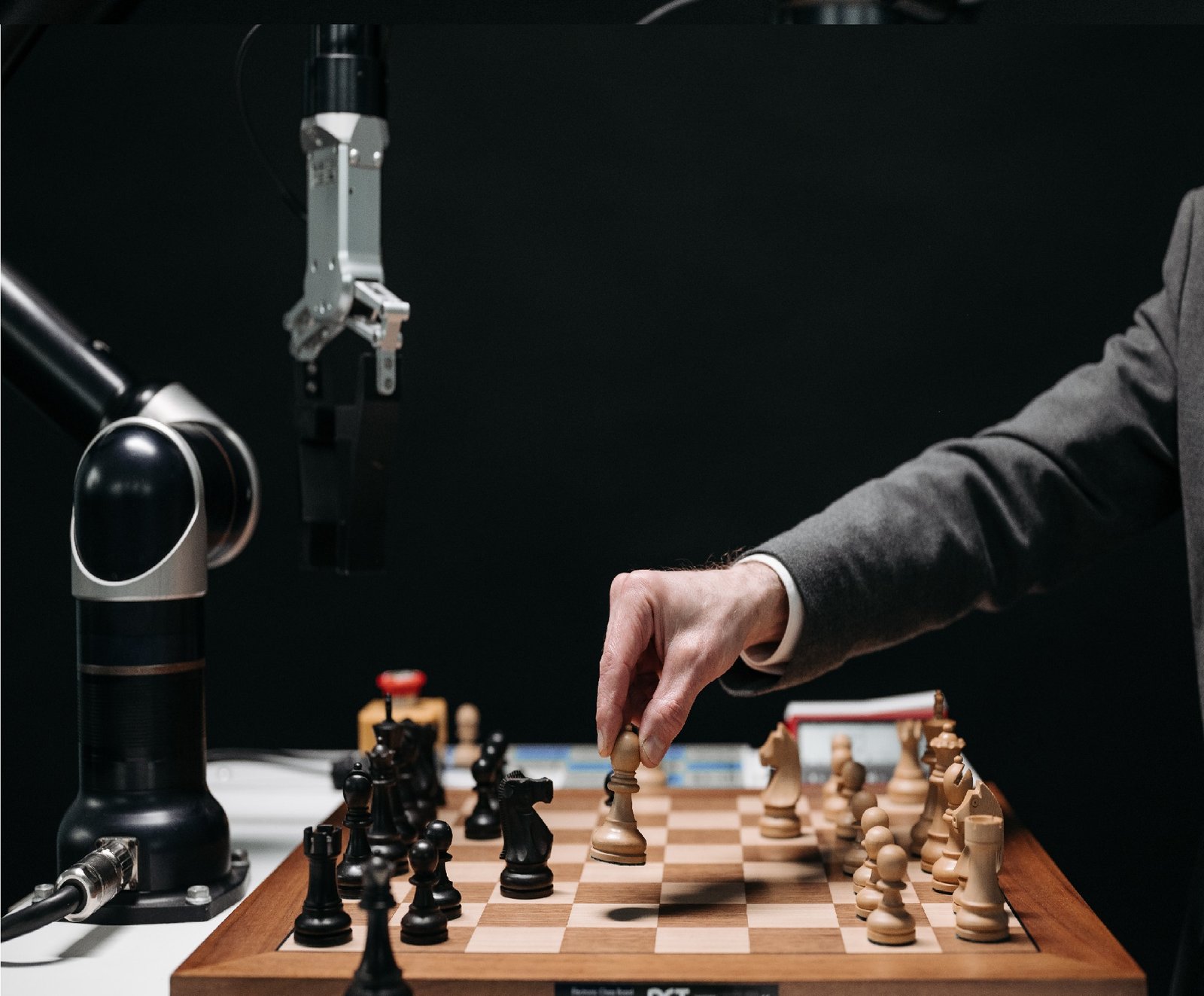
The Rise of Machine Learning in Urdu: Exploring a New Frontier
Category : thunderact | Sub Category : thunderact Posted on 2023-10-30 21:24:53
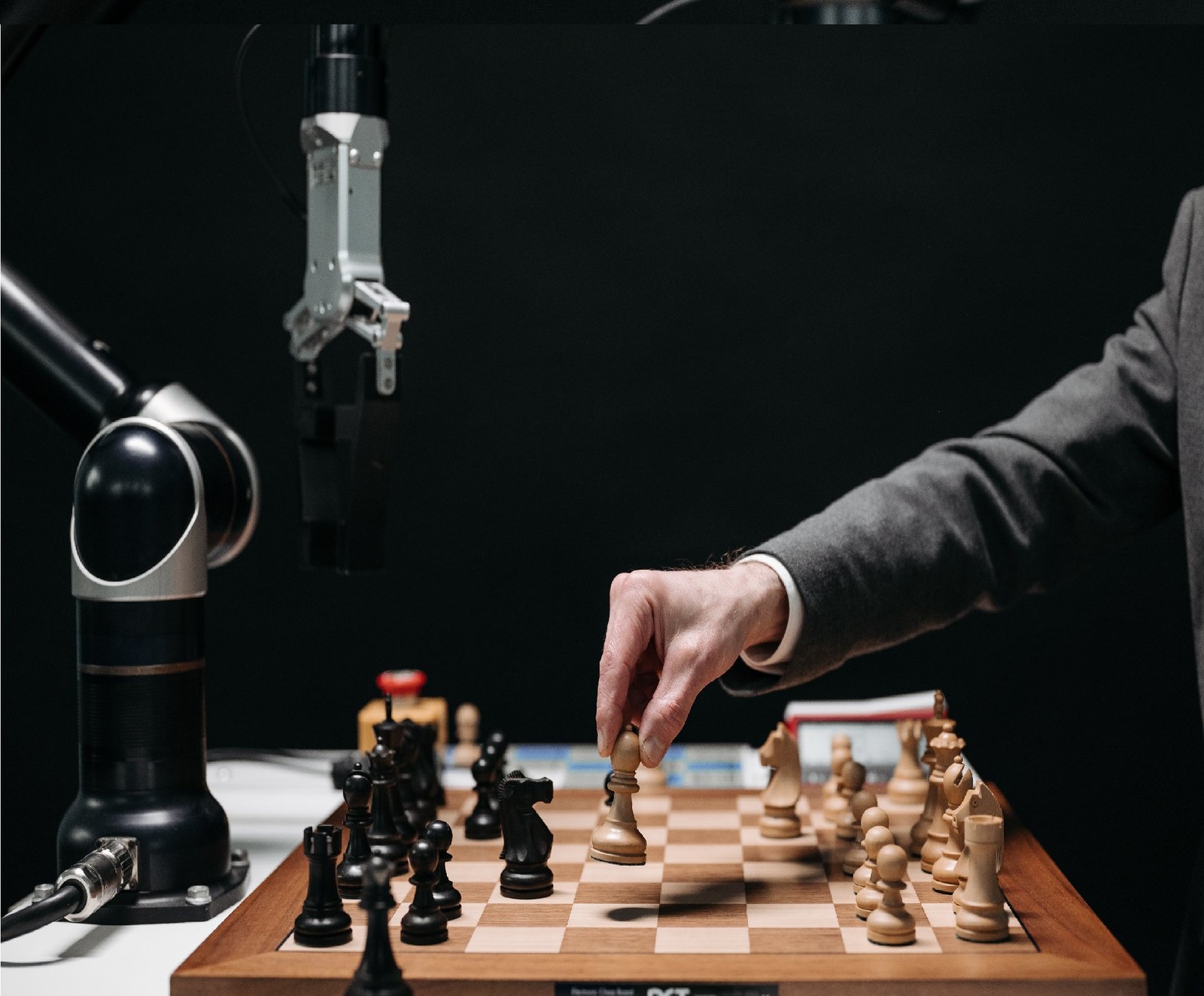
Introduction: In this digital age, machine learning has emerged as a powerful technology that has transformed various industries. Urdu, one of the most widely spoken languages in South Asia, is now entering the realm of machine learning. In this blog post, we will explore the growing impact of machine learning on the Urdu language, the challenges it faces, and the potential it holds for the future. Understanding Machine Learning: Machine learning is a branch of artificial intelligence that enables computers to learn and perform tasks without explicit programming. It utilizes algorithms and statistical models to analyze large amounts of data and make accurate predictions or decisions. With the advancements in natural language processing (NLP) techniques, machine learning has now become capable of understanding and generating human languages like Urdu. Challenges and Opportunities: Adapting machine learning techniques to Urdu poses unique challenges. Unlike English, Urdu is a highly inflected language, with complex grammar and a rich vocabulary. Consequently, developing accurate machine learning models for Urdu requires extensive linguistic knowledge and annotated datasets, which are relatively scarce. However, the rise of social media platforms and digital content in Urdu has provided an abundance of data for training machine learning models. As more Urdu content becomes available online, researchers and developers now have the opportunity to expand their datasets and improve the performance of Urdu-specific machine learning algorithms. Applications of Machine Learning in Urdu: The application of machine learning in Urdu holds enormous potential for various domains. Here are a few examples: 1. Machine Translation: Machine learning can be leveraged to develop better Urdu-to-English and English-to-Urdu translation systems. These systems can facilitate communication, enhance accessibility, and bridge language barriers for Urdu speakers. 2. Sentiment Analysis: Machine learning algorithms can analyze the sentiment expressed in Urdu text, such as social media posts, customer reviews, or news articles. This can help businesses understand public opinion, improve products, and enhance customer experiences. 3. Urdu Speech Recognition: Developing Urdu speech recognition systems can enable voice-operated assistants, automated customer support, and hands-free communication in Urdu. This can benefit a wide range of users, including those with limited literacy skills or visual impairments. Future Directions: The future of machine learning in Urdu looks promising. As technology continues to evolve, we can expect more sophisticated algorithms specifically designed for Urdu. With the availability of large-scale annotated datasets and ongoing research in NLP, the accuracy and performance of Urdu machine learning models are anticipated to improve significantly. Furthermore, collaborations between academia, industry, and language experts are essential for addressing the unique linguistic challenges associated with Urdu machine learning. These collaborations can lead to the development of tailored machine learning solutions that cater to the specific needs of Urdu users. Conclusion: Machine learning is revolutionizing the way we interact with computers and languages, and Urdu is no exception. With the growing availability of digital content, the application of machine learning in Urdu is set to expand and thrive. As researchers and developers push the boundaries of technology and overcome linguistic challenges, we can look forward to a future where Urdu machine learning empowers individuals, facilitates communication, and opens new opportunities for Urdu speakers worldwide. For comprehensive coverage, check out http://www.uurdu.com For an extensive perspective, read http://www.sugerencias.net
Leave a Comment:
SEARCH
Recent News
- In recent years, the use of computer vision technologies has been gaining traction in the field of wildlife conservation. By harnessing the power of artificial intelligence and image recognition algorithms, researchers and conservationists are able to monitor and protect vulnerable animal populations more effectively than ever before.
- Computer vision is a rapidly growing field that has seen significant advancements in recent years. In Vancouver, Canada, there are several top startups that are making waves in the field of computer vision. These startups are leveraging cutting-edge technology to develop innovative solutions for various industries, including healthcare, retail, and autonomous vehicles.
- The Role of Computer Vision in Vancouver Businesses
- Computer vision is an exciting field that is rapidly growing in Vancouver, with many innovative companies leading the way in developing cutting-edge technology. In this blog post, we will explore some of the best companies in Vancouver that are making significant contributions to the field of computer vision.
- Computer vision technology has significantly advanced in recent years, offering a wide range of applications across various industries. One area where computer vision technology has been gaining traction is in the field of business support programs provided by the UK government.
- Enhancing Guest Experiences with Computer Vision Technology in Tunisian Hotels
- Computer vision technology has been rapidly advancing in recent years, opening up a world of possibilities across various industries. From facial recognition to autonomous vehicles, the applications of computer vision are vast and continue to evolve. In this blog post, we will explore some of the current trends in computer vision technology.
- Computer vision tracking solutions are revolutionizing the way businesses operate by providing advanced capabilities to track and monitor objects in real-time. This technology leverages sophisticated algorithms and computer vision techniques to extract valuable information from images and videos. Whether it's monitoring production lines in a factory, tracking inventory in a warehouse, or analyzing shopper behavior in retail stores, computer vision tracking solutions offer numerous benefits across various industries.
READ MORE
10 months ago Category : thunderact
In recent years, the use of computer vision technologies has been gaining traction in the field of wildlife conservation. By harnessing the power of artificial intelligence and image recognition algorithms, researchers and conservationists are able to monitor and protect vulnerable animal populations more effectively than ever before.
Read More →10 months ago Category : thunderact
Computer vision is a rapidly growing field that has seen significant advancements in recent years. In Vancouver, Canada, there are several top startups that are making waves in the field of computer vision. These startups are leveraging cutting-edge technology to develop innovative solutions for various industries, including healthcare, retail, and autonomous vehicles.
Read More →10 months ago Category : thunderact
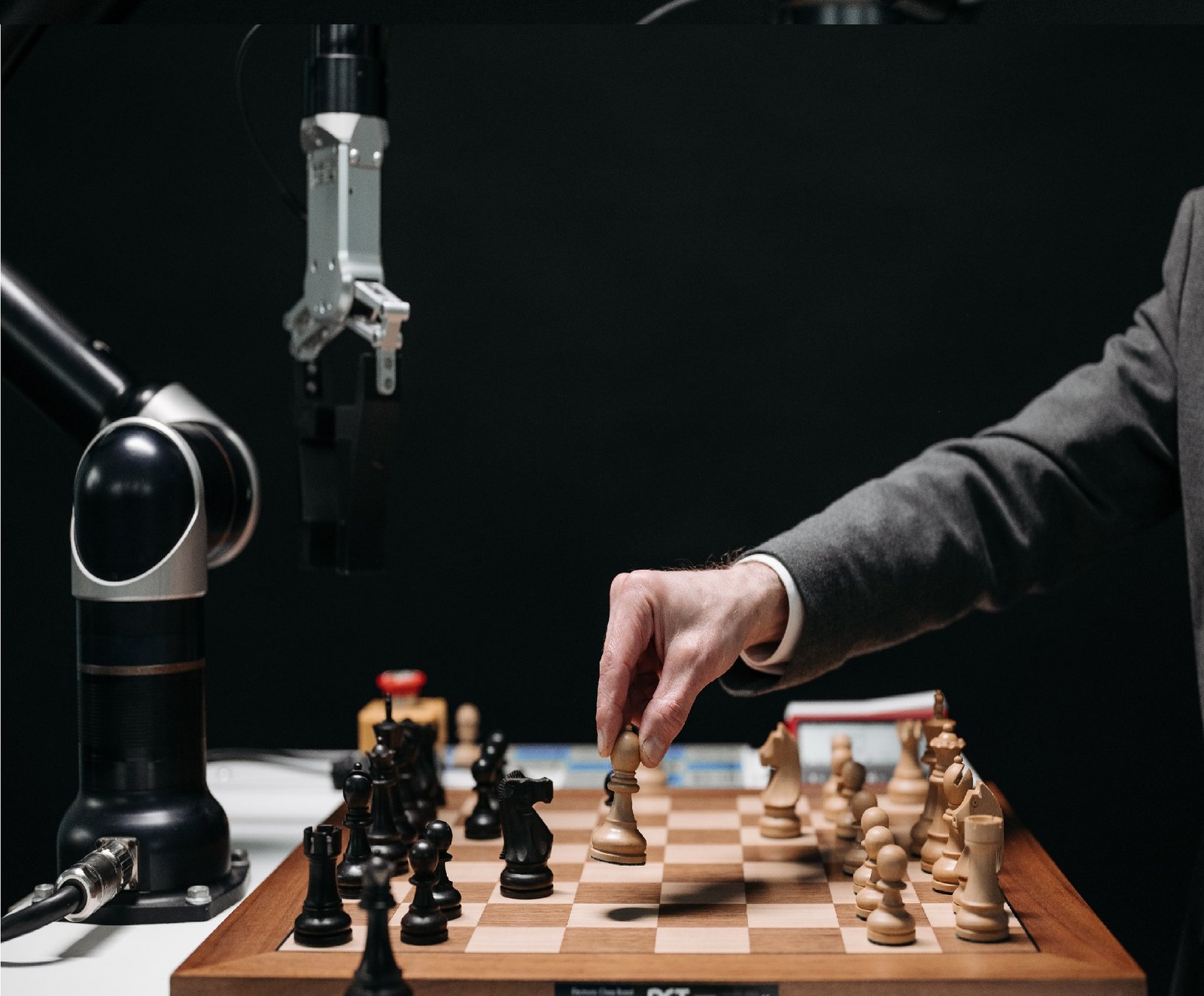
The Role of Computer Vision in Vancouver Businesses
Read More →10 months ago Category : thunderact